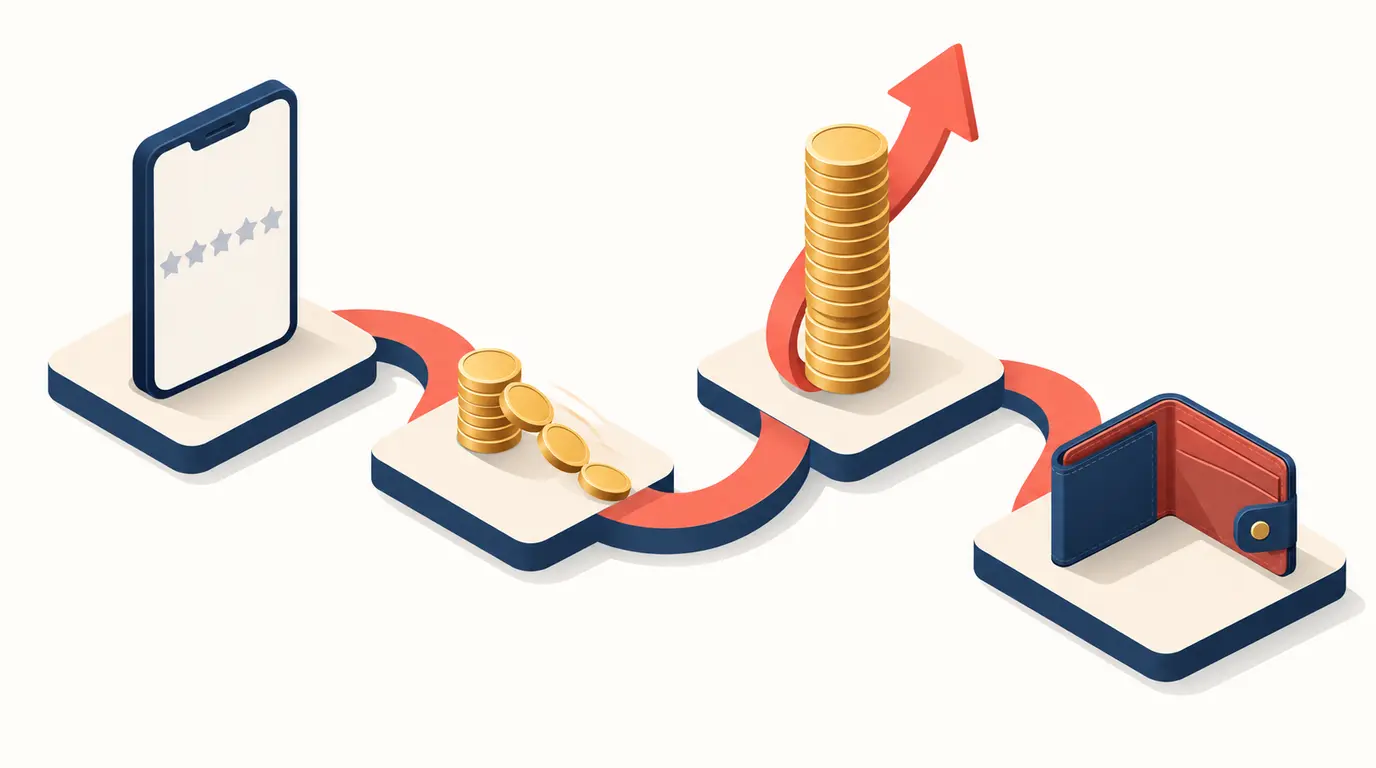


If you paid a scammer by card in Ireland, a chargeback may get the money back. That is when your card provider, usually your bank, reverses the payment. The Competition and Consumer Protection Commission (CCPC) says you may be able to use one if you did not authorise the payment, if it went through more than once, or if the goods or service you paid for never arrived. Time limits depend on the card scheme, usually Visa or Mastercard. In most cases you have up to 90 to 120 days to dispute a payment.
The CCPC's steps after a scam: stop all contact, block the scammer, and save emails, texts, screenshots, usernames and transaction records. Call your bank or card provider as soon as possible and ask about a chargeback or a reversal. Report it to An Garda Síochána even if getting the money back looks unlikely, because reports build evidence. If the scam came through an online ad or marketplace, report it to the platform too.
How you paid matters. The CCPC says a credit card may give you stronger protection than a debit card or a bank transfer. In one case it describes, a man paid €30 by debit card for a shoulder brace that never came. About five days later, the same business took another €46.15. His bank blocked the card and reversed the €46.15, but the €30 had not been refunded when the CCPC spoke to him.
- Call your bank today. Give the date, amount and name on the payment, and ask for a chargeback.
- You may be able to freeze your card in your banking app straight away.
- Keep every message, screenshot and receipt from the scam.
- If the bank says no, complain to it formally, then go to the Financial Services Ombudsman. The CCPC helpline is 01 402 5555.
Source: Competition and Consumer Protection Commission (CCPC), "What to do if you've been scammed" and "Disputed card transactions (chargeback)", checked 29 October 2026
Read the original: ccpc.ie, ccpc.ie