
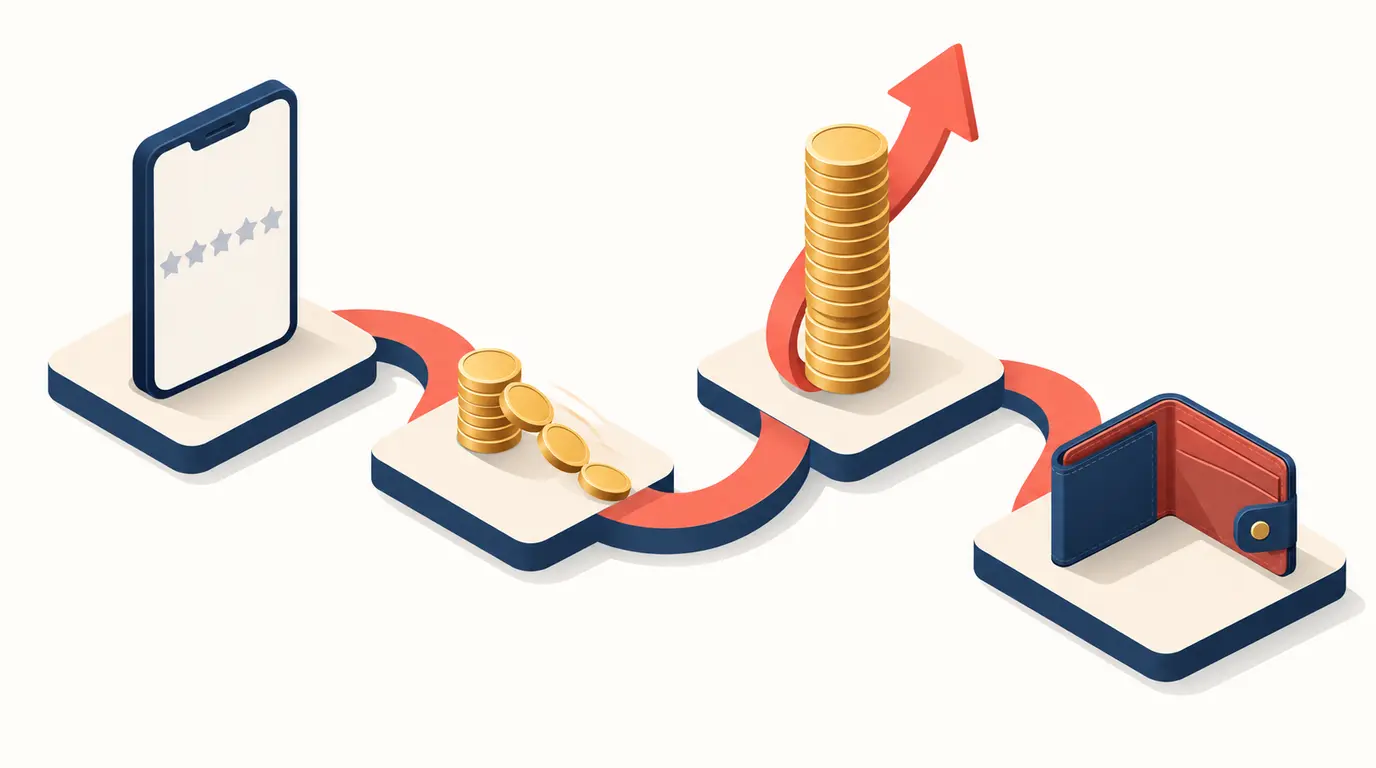
In August 2024, New Zealand Police in Wellington warned about "task scams": fake jobs where people are paid for simple online tasks and then asked to pay in. A Wellington man the police call Peter lost nearly $22,000 (New Zealand dollars) in July 2024. Police said at least eight cases had been reported in Wellington, including two with losses of $137,000 and $105,000. This is how the scam worked, according to the police:
- The offer. It comes through a job website, social media or an unsolicited chat message. In recent cases, people were offered $200 to $500 for 30 online product reviews.
- The manager. The victim gets a "manager" who writes on WhatsApp, Telegram or Messenger. Scammers use spoofing so that emails, numbers or websites look local.
- The easy work. The tasks are reviews of luxury travel packages, household products or cosmetics. Pricier items, such as cruises, promise a bigger commission.
- The payment. To get "training" or move on to the next task, the victim has to pay, usually into crypto wallets or offshore bank accounts. Police say that money is never seen again.
- The push. Peter's fake supervisor tracked his progress and gave advice, then asked for more money so he could review higher-value items. When Peter ran out, the supervisor urged him to borrow from a friend, a bank or an online lender.
"I have lost a significant amount of my life savings," Peter told police.
Where you can still stop
- At step 4. A real job pays you. It never asks you to pay to work or to unlock the next task.
- At step 1. Check that the company and the job exist, above all when the offer came through social media or a chat app.
- Show the offer to a friend or relative before you send any money.
- If you have already paid, stop paying, keep the chats and payment records, and report it to the police. In New Zealand, Netsafe also has advice on scams.
Source: New Zealand Police, media release, 22 August 2024
Read the original: police.govt.nz