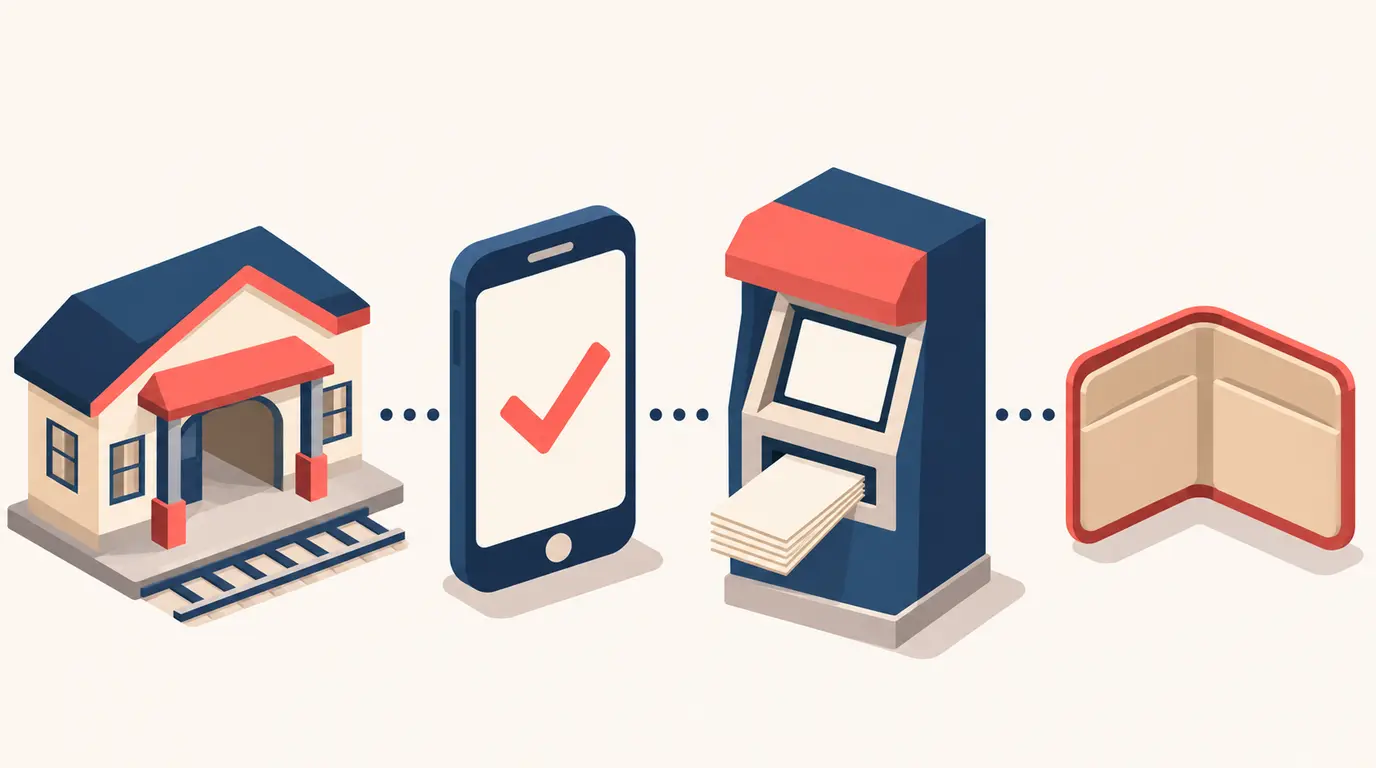


Card fraud is when someone uses your bank card or card details without your permission, Police Scotland says on its advice page. It lists the usual routes: a skimming device on a cash machine's card slot, with the PIN taken by watching you or by a hidden camera; a cloned card made from your details and PIN; a lost or stolen card, which can be used until it is frozen or cancelled; and card details saved on an online account that has been hacked.
One route needs your help. In digital wallet fraud, a criminal who has your card details tricks you into giving them a one-time passcode, then adds your card to a digital wallet on their own phone and makes purchases, the banks' Take Five campaign explains. Police Scotland calls a caller who asks you to read out a one-time code a common scam.
Take Five lists the signs that it has already happened: payments you do not remember making, a message that your card was added to a device you do not own, passcodes you never asked for, and emails about account changes you did not make.
- Tell your bank right away and ask it to freeze your cards and protect your account, then freeze or cancel the card.
- Report it to the police. In Scotland, to Police Scotland online, by phone or in person. Elsewhere in the UK, to Report Fraud at reportfraud.police.uk or on 0300 123 2040.
- Go through your statements and report any payment you do not recognise to your bank. Bank app alerts show you each time the card is used.
- If a call or message says it is from your bank, type the bank's website into your browser yourself. Police Scotland warns that fake sites can appear in search results.
Source: Police Scotland, "Credit card fraud" advice page, undated, checked 12 November 2026; Take Five (UK Finance), "Digital wallet fraud"
Read the original: scotland.police.uk, takefive-stopfraud.org.uk