

Seven people were arrested in Romania on Thursday 12 November 2026 on suspicion of stealing data from UK tax professionals and using it to claim tax refunds. HM Revenue & Customs (HMRC) announced the arrests the same day. The six men and one woman, all Romanian nationals aged 32 to 47, are from Oradea, Craiova, Pitești and Bucharest. Romania's National Police led the raids in a joint operation with HMRC, supported by the Crown Prosecution Service, and searched 21 properties.
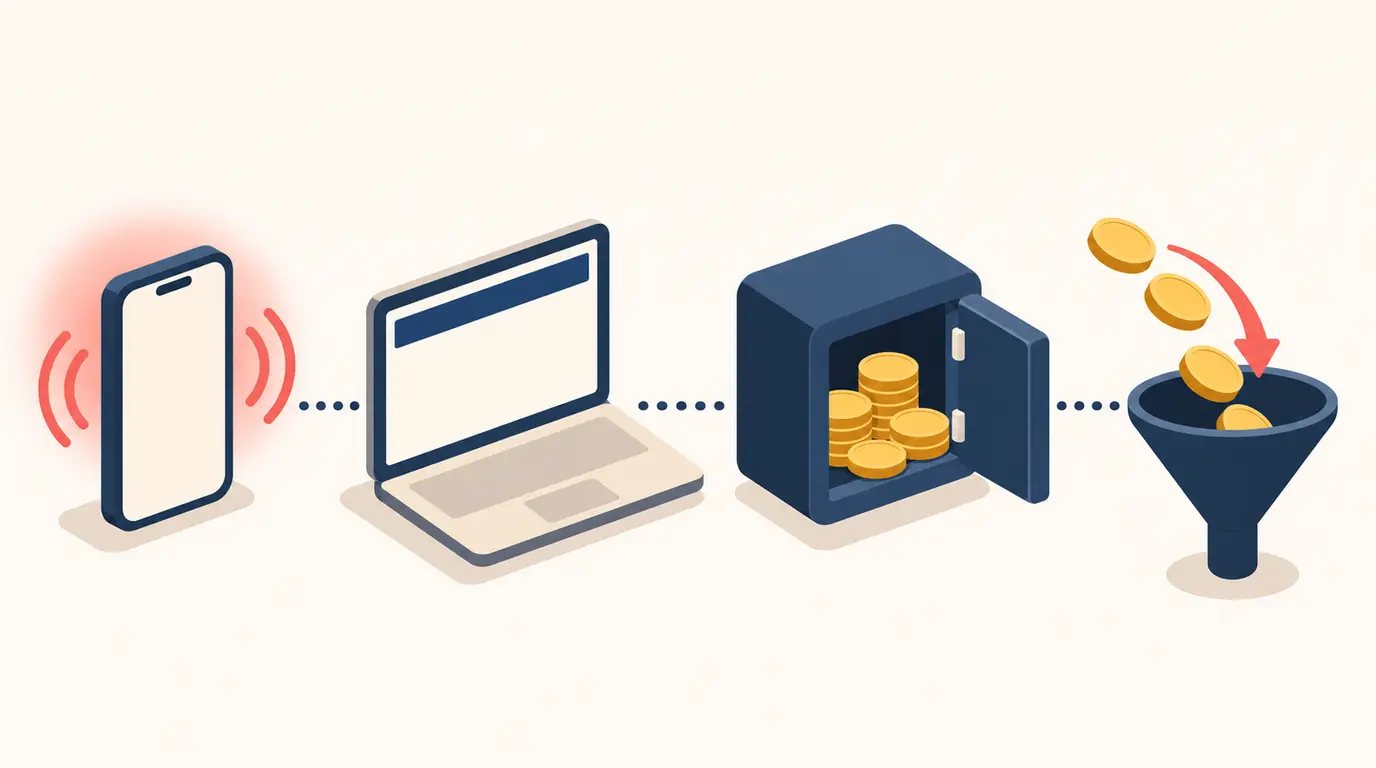
According to HMRC, the suspects mounted phishing attacks on UK-based tax professionals to steal their clients' data. That data was then used to submit false tax repayment claims to HMRC. The arrests relate to an attempted fraud of almost £200 million. HMRC says its systems detected and blocked the overwhelming majority of the suspect claims, and that no UK taxpayer suffered a direct loss.
The seven are suspected of unauthorised access to a computer system, computer fraud and money laundering. They have not been tried. Investigators have also identified a wider network suspected of attacking the tax authorities of Canada, Australia, Ireland and New Zealand. HMRC has contacted the accountants and tax agents affected and secured their accounts.
- An unexpected email or text with a link or an attachment is how phishing starts. HMRC's advice: do not click, download or reply.
- Check on GOV.UK that a call, text or email really comes from HMRC. Do not trust caller ID, because numbers can be spoofed.
- Use strong and different passwords on every account, above all the ones that hold clients' tax data.
- Forward a suspicious text claiming to be from HMRC to 60599, and an email to phishing@hmrc.gov.uk.
Source: HM Revenue & Customs, press release, 12 November 2026
Read the original: mynewsdesk.com