

Zheng Zhao, a 44-year-old Chinese national, made his first appearance in federal court in Los Angeles on 23 October 2026 after being extradited from the Netherlands. US prosecutors say he was part of an international network behind a cryptocurrency investment scam, run from scam centres in Cambodia, that targeted 174 identified US citizens. He was ordered detained, and his arraignment is set for 30 November. The charge is an allegation, and he is presumed innocent.
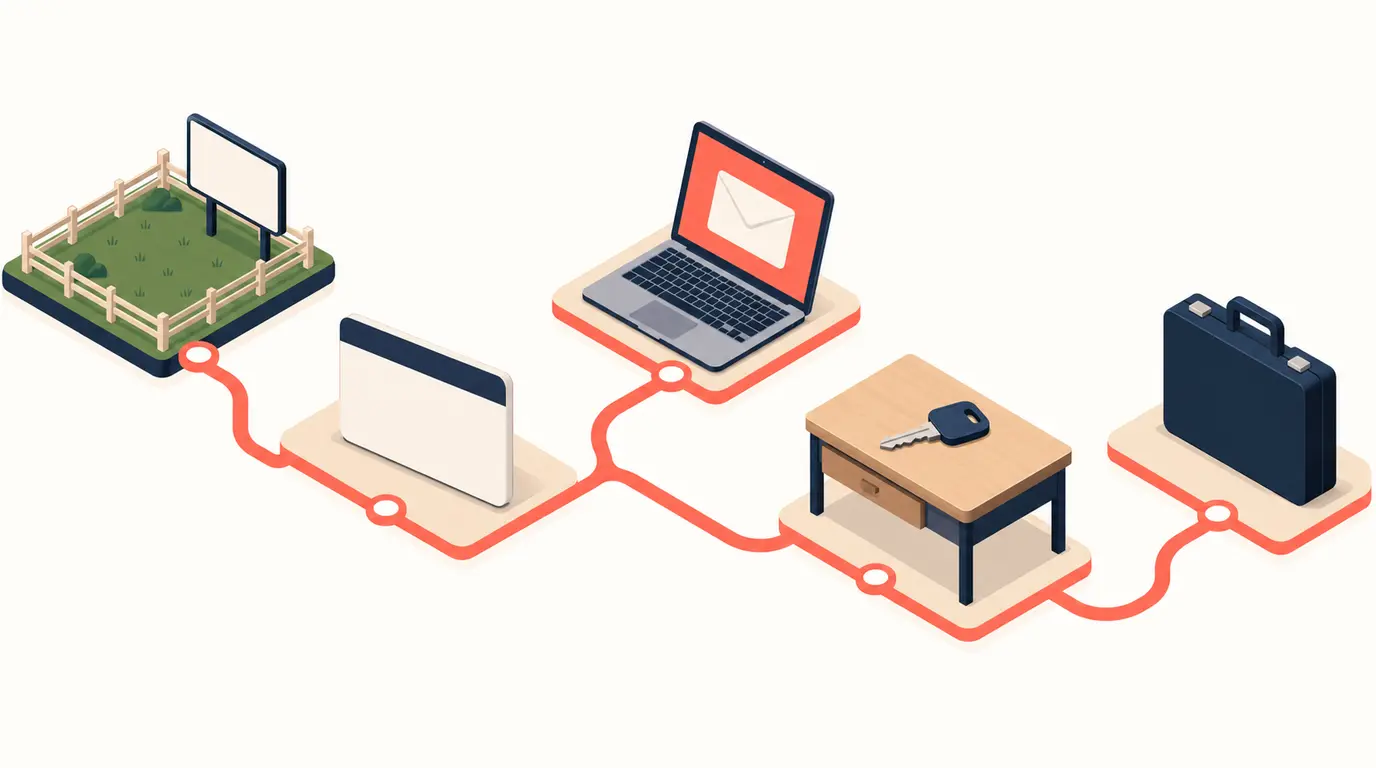
According to court documents, co-conspirators abroad contacted victims through unsolicited social media messages, phone calls, texts and online dating services, and worked to gain their trust. Then they promoted fake digital asset investments. They built websites that looked like real cryptocurrency trading platforms and persuaded victims to send money through them. Victims were told their investments were growing. In fact the money had been stolen.
More than $36.9 million of victims' money went from US bank accounts controlled by the co-conspirators to a single account at Deltec Bank in the Bahamas. Prosecutors say Zhao and others arranged for the bank to convert it into the stablecoin Tether (USDT) and send it to a digital wallet controlled in Cambodia. From there it went to the leaders of scam centres across the region.
Eight co-conspirators have pleaded guilty. Two of them, ShengSheng He and Jingliang Su, admitted conspiracy to operate an unlicensed money transmitting business and were sentenced to 51 and 46 months in federal prison. If convicted, Zhao faces up to 20 years.
- A stranger finds you on social media, by text or on a dating app, and the talk soon turns to crypto investments. That is how contact began in this case.
- A trading website that looks like a real platform proves nothing. Here the sites were fake and built to take deposits.
- A balance that keeps growing on screen is not money you own. Prosecutors say victims were told their investments were rising while the money was already gone.
- If you sent money to an investment you were steered to this way, stop paying and report it to the FBI at IC3.gov, as the Justice Department asks.
Source: US Attorney's Office for the Central District of California, press release, 23 October 2026
Read the original: justice.gov