
On 25 August 2026 the High Court in London wound up Cask Spirits Global Limited after an Insolvency Service investigation. Investigators found 17 customers who had paid the company £97,249 between them for whisky casks. Only four had valid papers showing they owned what they paid for. The true losses may be higher: the company did not hand over 27 of the 29 accounting documents investigators asked for. Here is how it worked, from the Insolvency Service:
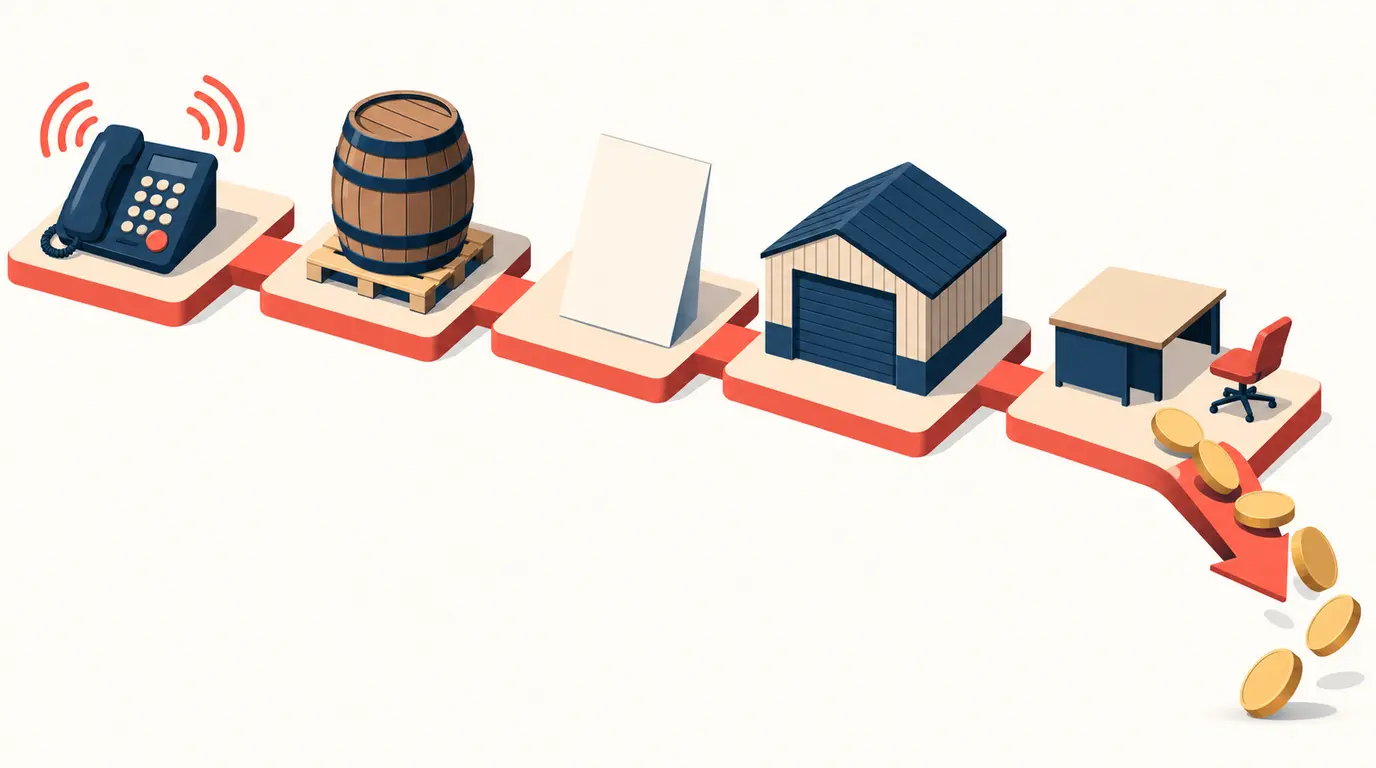
- Find buyers. The company reached people through social media adverts and cold calls.
- Promise a lot. It used high-pressure sales and promised big returns and tax advantages. One customer was promised returns of 120% to 150%.
- Trade under a name that does not exist. The website and papers said "Cask Spirits Ltd". No such company was registered at Companies House. Customers paid Cask Spirits Global Limited, but their ownership papers did not mention it.
- Hand over paper, not whisky. Some customers got certificates for casks that did not exist. Other casks were registered in the company's name, not the buyer's. Some certificates named warehouses that had nothing to do with the company. The customer promised 120% to 150% was told his cask was in a bonded warehouse in Scotland. The warehouse said it had no link to the company.
- Disappear. The company stopped contacting customers around March 2025. Its two London addresses had no verified presence, so customers had no reliable way to complain or ask for a refund.
Where you can still stop it
- Before you pay, look up the exact company name on your papers at Companies House. In this case the name customers saw did not exist.
- Call the warehouse yourself, on a number you find on your own, and ask whether your cask is there in your name.
- Your ownership papers should name you and the company you paid. Here some casks were registered in the company's name, and the papers did not mention the company customers had paid.
- If a company has your money and has gone quiet, the Insolvency Service says it can look into complaints about fraud, scams or dishonest practice by live companies.
Source: Insolvency Service (GOV.UK), press release, 27 August 2026
Read the original: gov.uk