
A former US Postal Service letter carrier in Indianapolis, Destinee Ruffin, 29, has been sentenced to six and a half years in federal prison for conspiracy to commit bank fraud and theft of mail, federal prosecutors in Indiana said on Wednesday 4 November 2026. Prosecutors estimate about 6,500 people were affected. This is how the scheme worked, according to court documents:
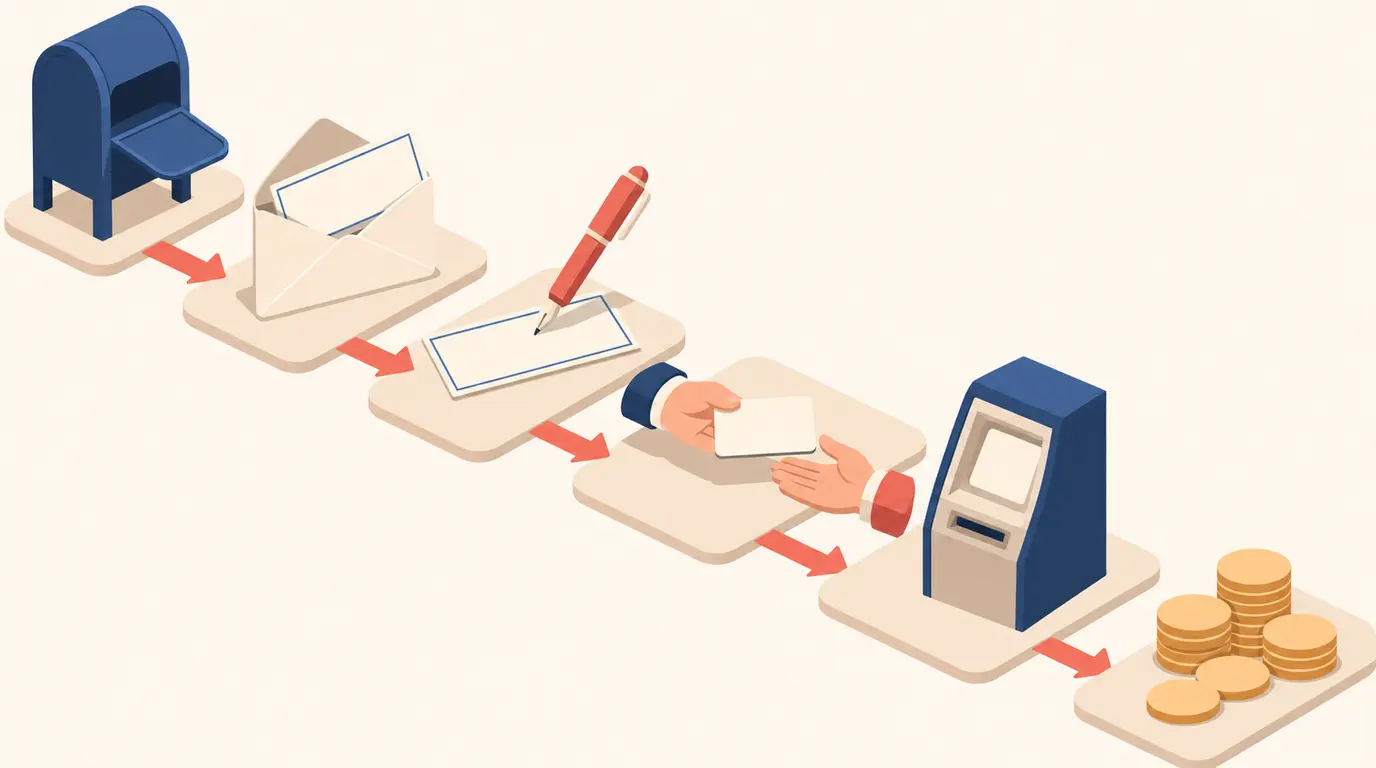
- From April 2020 to May 2022, Ruffin used her access to incoming and outgoing mail at the Bacon Station post office to steal checks and sell them to co-conspirators.
- One buyer, Tony McMullen, paid her through Cash App: in one example, 38 payments totalling over $10,000. Another, John Young, got more than $12 million in stolen checks from her and listed many of them for sale on Telegram.
- McMullen looked on social media for people willing to deposit altered checks into their own bank accounts. They handed over debit cards, PINs or online banking logins.
- He changed the payee on the stolen checks, deposited them, then took the money out or demanded payment through Cash App or Zelle. He cashed 36 checks worth about $235,632 this way.
- The people who mailed the checks learned late. One woman's $1,618 check for her retired husband's health insurance never arrived; she found out when she arrived for a scheduled surgery, was told her insurance had been terminated, and the operation was cancelled.
A search in April 2024 found thousands more stolen checks, worth over $20 million, that she had not yet sold.
Where you can still stop it
- Step 1: a check in the mail can be taken on the way. For regular bills, ask whether you can pay electronically instead.
- Step 3: if someone online offers you money to deposit a check or lend them your bank card and PIN, say no. Accounts like that are how these checks were cashed.
- Step 5: after you mail a check, look at your account to see when it is cashed and by whom. If the payee says nothing arrived, tell your bank at once.
- If a check you mailed went missing, report the mail theft to the US Postal Inspection Service as well as your bank.
Source: US Attorney's Office for the Southern District of Indiana, press release, 4 November 2026
Read the original: justice.gov