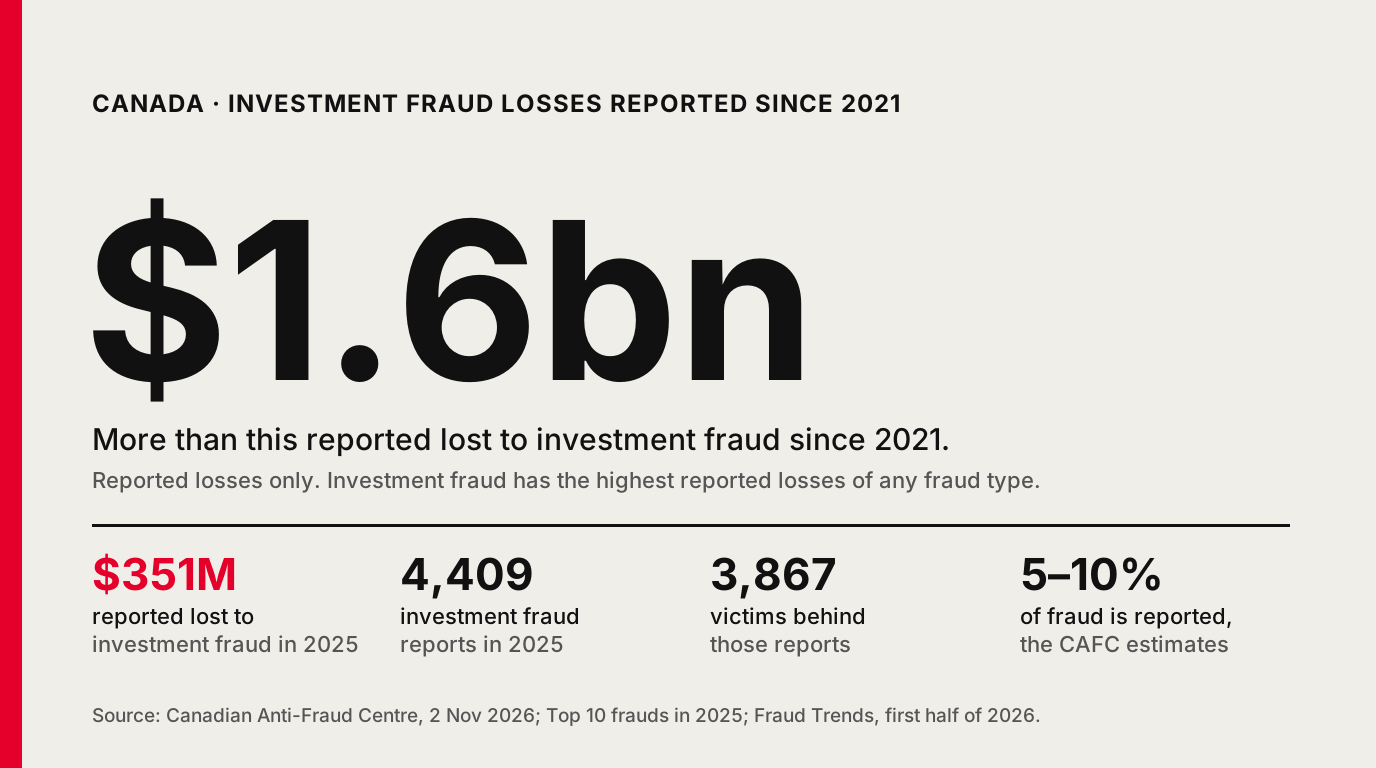

A US federal court in the Northern District of Texas has ordered Walter Dunning Larrick III and his company, Cambridge Financial Advisors LLC, to pay a $9,767,625 civil penalty and $3,255,875 in restitution, the Commodity Futures Trading Commission (CFTC) said on Tuesday 3 November 2026. The court entered a default judgment and found that the defendants took more than $3 million from participants.
The CFTC filed the case in August 2023. Its complaint said that from at least November 2020 to at least January 2023 the pair collected at least $3,644,817.52 from about 70 people. This is how the scheme worked, according to the CFTC:
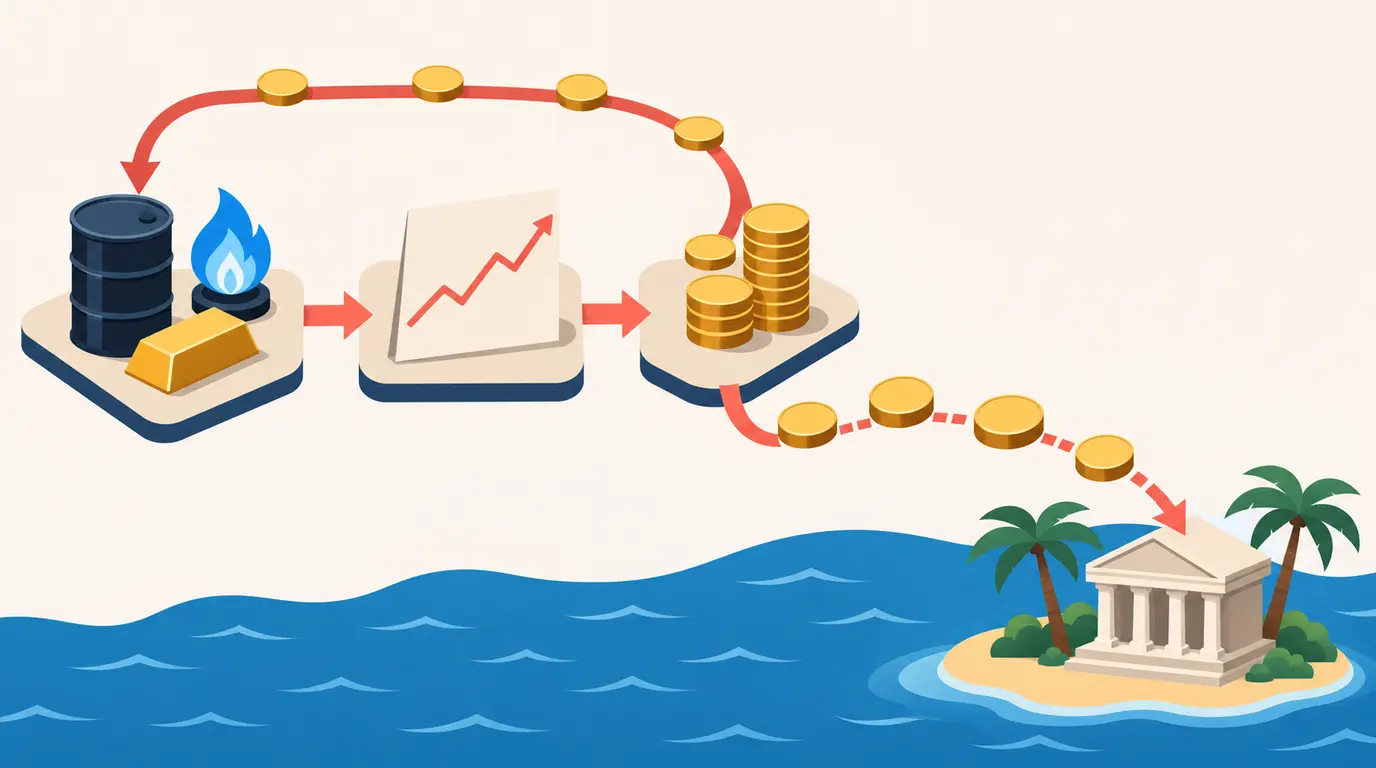
- People were invited to put money into a pool that would trade futures and options, including on natural gas, oil and gold.
- To win them over, the defendants said Cambridge had been in business for over 20 years, had a record of profitable returns and kept clients' money in a US bank account. Its hedging strategy, they said, made money whether prices rose or fell, and clients could withdraw at any time.
- Instead of trading, they sent most of the money to bank accounts in Costa Rica. Most of the rest paid Larrick's personal expenses or went to earlier participants as Ponzi-like payments.
- To hide this, participants received false account statements showing trading returns they had not earned.
- When people asked for their money, the defendants ignored them or delayed the payout for as long as they could.
- Step 2: a strategy that wins whether prices go up or down is a promise, not a plan. Treat it as a reason to walk away.
- Step 2 again: before you send money, check the firm's registration. The CFTC points to the NFA BASIC search for US firms.
- Step 4: a statement from the firm itself proves nothing. Ask to take part of your money out, and stop sending more if they stall.
- Step 5: if withdrawals are delayed, keep every statement and report it to the CFTC on 866-366-2382 or through its online tip form.
Source: US Commodity Futures Trading Commission, press release 9320-26, 3 November 2026, and press release 8768-23, 23 August 2023
Read the original: cftc.gov, cftc.gov