

A Houston man will serve 30 months in US federal prison for passing on money stolen in an email scam, IRS Criminal Investigation said on 8 October 2026. Edikan Adiakpan had pleaded guilty on 12 May. US District Judge Andrew Hanen also ordered three years of supervised release.
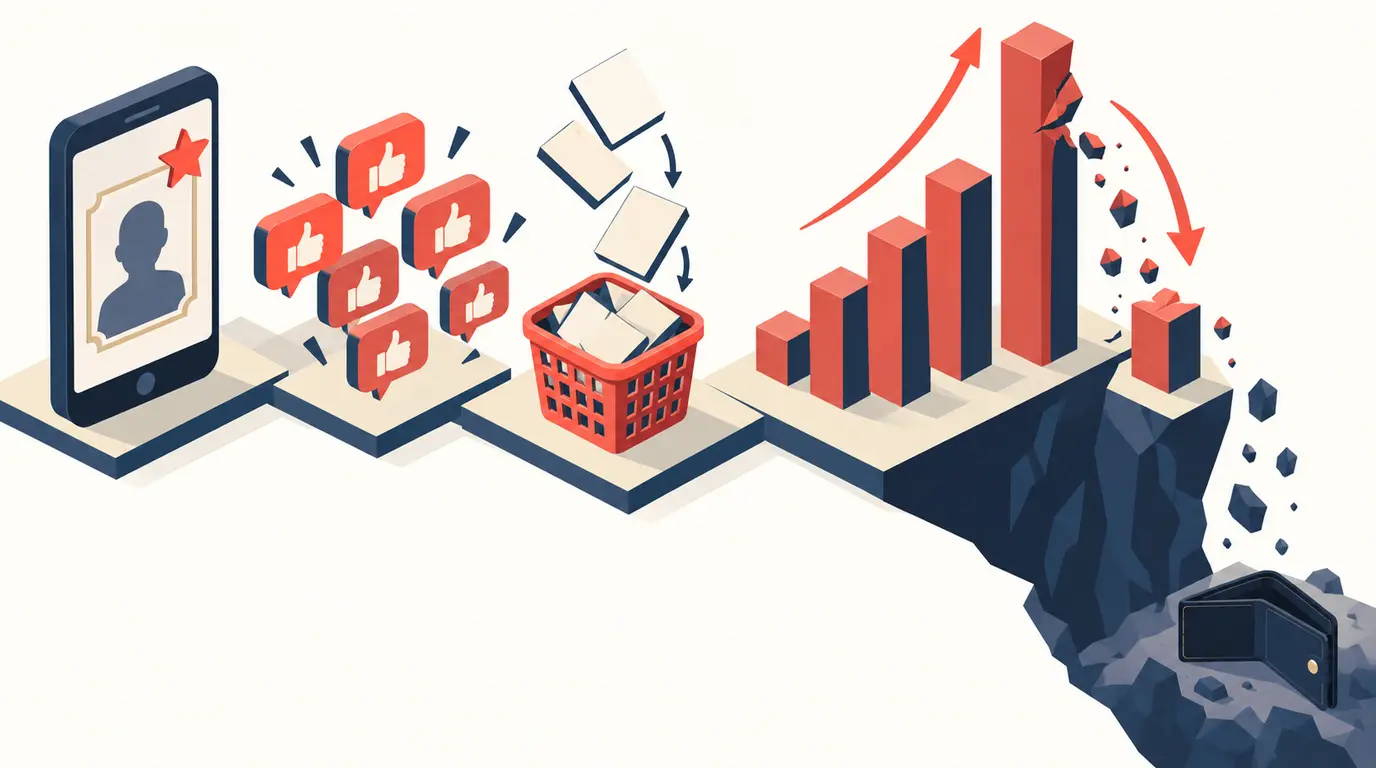
The fraudsters behind the scheme sent "spoofed" emails that appeared to come from suppliers and creditors their victims already knew. The emails tricked more than 10 victims into paying into bank accounts the fraudsters controlled instead of the real suppliers.
One victim was a small utility trailer company in Mississippi. It wired money it thought was going to its trailer supplier, including $927,080 sent to the fraudsters in Houston. A statement from the company about what the fraud did to it was read at the sentencing hearing.
From 2020 to 2022 Adiakpan used a company he controlled, Akama Lifestyle, advertised as a luxury car service, to transfer money for others. He kept a percentage as his fee. He deposited and cashed several cashier's checks made out to himself and his exotic car company, holding $359,000 of the trailer company's money.
A second man, Ayobami Omoniyi, was sentenced on 24 March to 32 months in prison for his role. IRS Criminal Investigation and FBI Houston investigated.
- An email from a supplier or creditor you know says their bank details have changed. Before you pay, call them on a number you already had, not one in the email.
- Read the sender's address letter by letter. A spoofed email can look like it comes from someone you deal with every week.
- Someone offers you a cut for moving money through your account or your business. That is how stolen money gets laundered, and the person who moves it can go to prison.
- If you have already paid, call your bank at once and ask it to try to recall the payment. In the US, report it at ic3.gov.
Source: IRS Criminal Investigation, 8 October 2026
Read the original: irs.gov